September 16, 2026

Top Skills for Today’s Corporate Event Planner in 2026

Why belonging and human connection are the new competitive advantage in corporate event planning for 2026, as experiential events reach the c-suite.
Introduction

Being an event professional today carries a lot of expectations and the required skill set is ever widening. We need to be marketers, contract experts, finance leads, technology adopters and implementors, logistical and creative wizards. One thing remains the same: We help people gather. We bring people together with shared interests and passions. Understanding the power that brings is the root of what makes a great event planner in 2026.

My keynote at Go West at the start of the year, was built around the premise: Belonging is the new competitive advantage. This is proving to be the headline in the focus on experiential events with the corporate event market expected to reach $730.7 billion, Globally, by 2035

The importance of Experiential events has reached the c-suite with $128 billion in global spend this past year. The numbers tell the story even more: 86% of b2b event marketers increased their spend in 2026.  61% of attendees are more inclined to purchase after an event or experience. (from Event Marketer Event Track paper)

In my keynote I explored Why Human Connections Will Shape The Next Era Of Events. The importance of authenticity and connecting in meaningful ways, building trust when we 've been trained to not trust anything on line. All of these factors mean what we plan, and how we plan is evolving.

Recent industry reports and social posts contain consistent messages around the top skills for corporate event planning:

Experience Curators

I  recently posted about the ability to visualize an event space and see what the event could and should be in our heads - imagining the final event playing out. We need to develop an experience design: what do you want to create and what do you want the audience to do as a result of the event. It means a deep  understanding of the audience - who will be there, what do they know or think before arriving, then mapping out the audience journey at the event. And finally, what should they leave thinking?

Top questions to ask ourselves:

-What will it look and feel like to the attendee when they walk in?
- How will they experience the entire event?
- What is the audience journey?
- How will we personalize it to a client's brand?

All the recent trend reports point to Experience Curation as a skill  At recent industry events, corporate event leaders indicated we're moving beyond ROI to ROO, Return on Objectives. At CEMA Summit leaders talked about taking into account the Return on Emotion in how we measure the success of events - what should the audience feel and what should happen next.

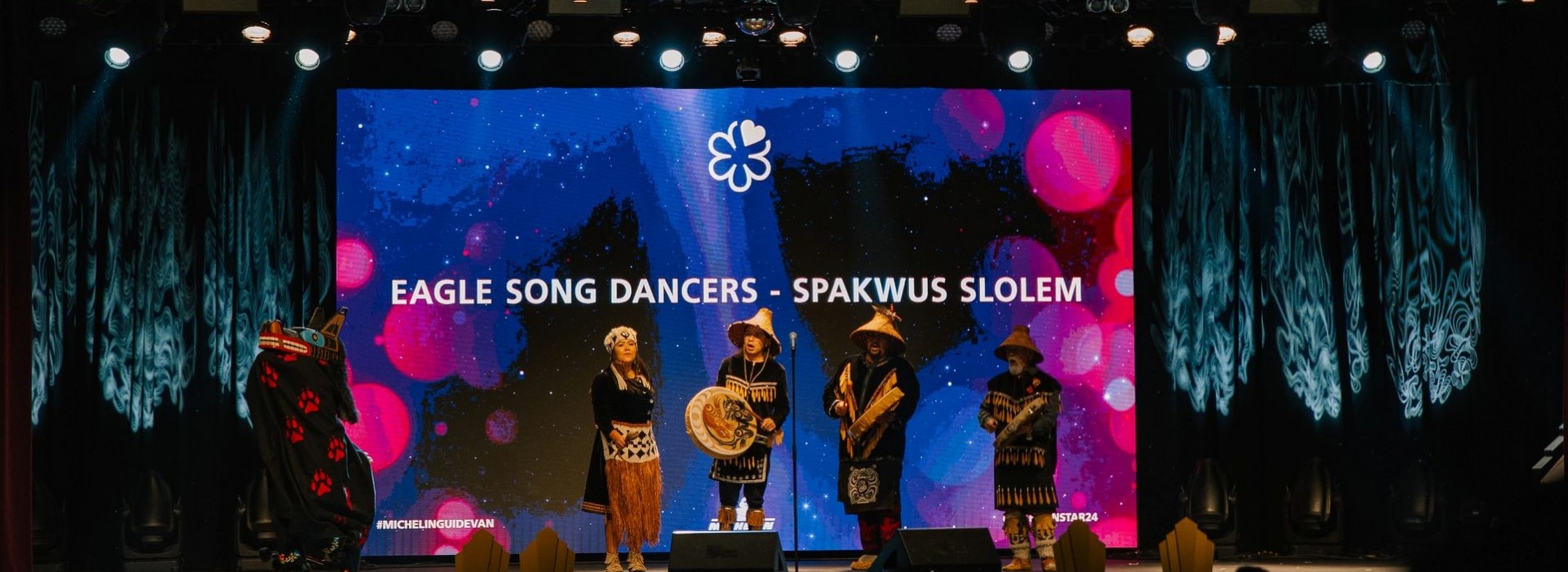
Michelin Guide ceremony in 2025 - designed and created by TK Events & Trish Knox

Think Like A Producer

It's not just about the content. A great event professional has the whole picture in mind. The after party, the side events  - they understand the value of the events within the event for true connections.

Successful event professionals are re-designing their agendas, allowing for more connections and the opportunity to truly network - not the kind in prescribed fifteen minute breaks. They are not talking at their audiences for hours on end and calling it an event.

They are allowing for planned serendipity and immersing their audiences in the destination. The EventBrite paper noted "44% are more likely to attend an event if it's at a unique or exciting venue." This is particularly true for GenZ audiences in the 'loneliness era', who are working from home and placing value on events. In Skift's Mega Trends report they noted that attendees are looking for "events that integrate local culture, neighborhoods, and talent, where meetings become immersive journeys and authentic, destination driven event design."
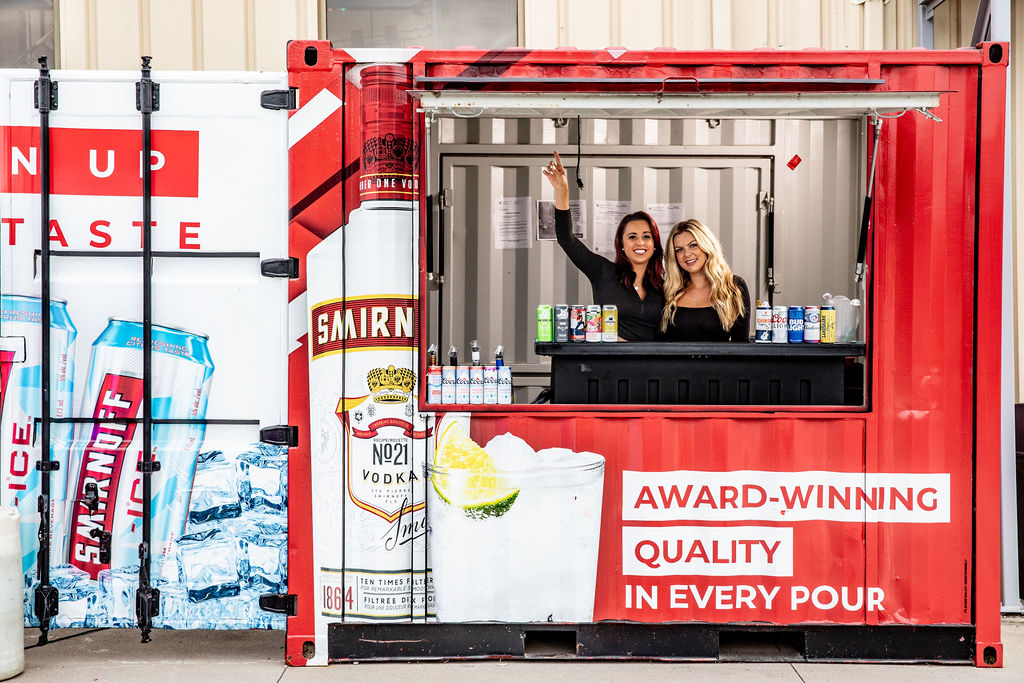
Smirnoff - experiential marketing pop up created by TK Events & Trish Knox

Community Architect

We're moving away from influencers to people who we trust and have real content and knowledge to share. It's not just about having a following. Trust has emerged as a priority for audiences.

Think of all the content we receive in a day, the AI slop we're subjected to. A great event is going to curate relevant content and knowledge, the industry thought leaders that are pertinent to you and wrap it all up in a story told throughout the event. You trust that they will research and bring you the right experts and content.

A recent McKinsey study revealed 89% of consumers say being part of a like minded community is the number one driver of emotional connection with a brand. It's not about product and prices. It's about  being human centric. In fact, people will pay money for belonging.

In their Reset To Real Report, EventBrite noted 58% of audiences say they want events to feel one-of-a-kind — like they could only happen once. Only today's savvy Event Planner can orchestrate that kind of event and create a community for their program; so that it becomes the date their audience circles on their calendar each year.

  • Attendees expect to feel valued. They want events that are relevant, personalized, interactive and worth the time and effort they made to attend. Modern event planners understand the new world of events. They have adapted to, and embrace change. They are not just coordinating logistics and focused only on execution, instead, they are strategists, communicators, problem-solvers, experience designers. They understand the importance of community as a driver for success.
  • Today's events CREATE community. They're a place...

    -Where you cut through all the clutter

    -Where you find your people

    -Where you learn and grow

    -Where you feel – this is where I belong

    The event planner for 2026 and beyond will wield all of these skills into a magic formula for their events.

    Talk to us today about your next corporate event.
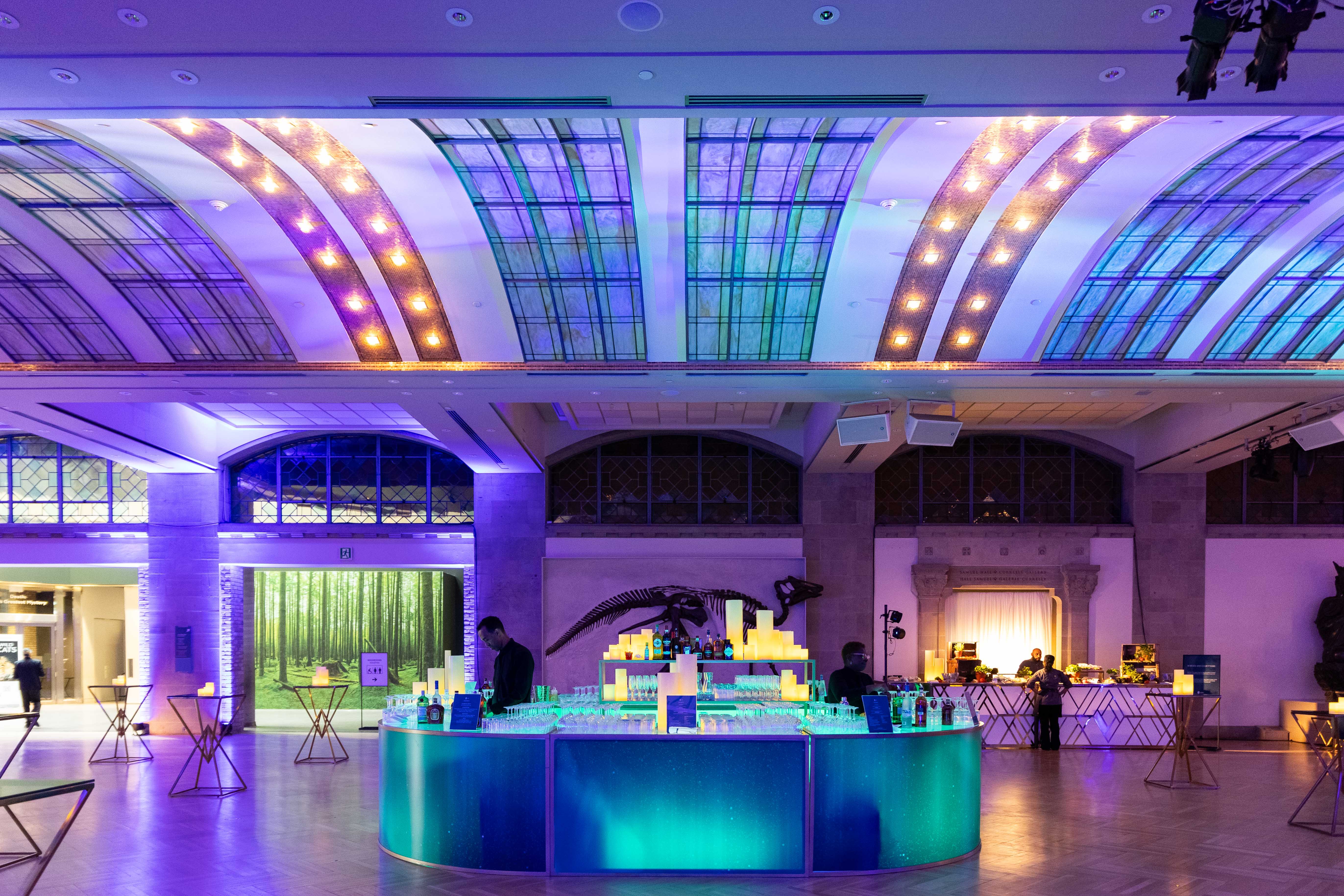
    Event design and management by TK Events in Toronto, London, and Vancouver

    Frequently Asked Questions

    What skills does a corporate event planner need in 2026?

    • Today's corporate event planners have to approach events with an experience first perspective. Project management and marketing skills combine with deep brand insights to deliver events that are tailored to audiences, connecting with them in authentic ways. Technology and data insights will play a big role in understanding an audience; with a goal to deliver content, industry insights and learning, while building trust and furthering relationships.

    Why is adaptability important for corporate event planners?

    • Events are becoming more complex due to global factors and rising costs. In a world where everything is changing and corporations are undergoing transformations, adaptability will be key. Expect the unexpected is the new normal with risk management in place and the ability to respond to problems - while ensuring the attendee experience is not affected.

    How is technology changing corporate event planning?

    • Technology will allow planners to move more quickly and aid in efficiency. Event technology continues to evolve with AI Tools for event management and registration platforms, event apps, engagement tools and virtual events. As audiences demand more sophistication - technology will help in personalizing their experience and increase attendee engagement. Attendees expect their technology to be ubiquitous and seamless - planners who grasp how to integrate event tech tools will have an advantage.

    Does a corporate event planner need to know how to use AI?

    • AI is making event planners jobs easier in so many ways, enabling: creative, design, research, content creation, administrative work and analyzing information - all making the planning cycle easier. Becoming AI literate will be a useful skill for event professionals of the future. AI in event technology will in turn, make the attendee experience a seamless one.

    Why are communication skills important in event planning?

    • In a disconnected workforce, communication skills are going to be even more critical. Developing skills to communicate with all stakeholders - from the c-suite, to vendors, creators and speakers, colleagues and suppliers - requires unique skills and professionalism. Events are high stakes and the ability to remain calm, while clearly communicating will always be a valuable skill.

    What role does creativity play in corporate event planning?

    • Today's audiences are looking for something unique and tailored to their interests. Creativity is going to be an essential component to successful events. Understanding a corporate brand and their audience - and then translating that into an exceptional one-of-a-kind experience will differentiate the great events.

    How important is sustainability for corporate events in 2026?

    • Audiences are expecting corporations to care for people, their community and the planet. In a time of environmental crisis , demonstrating a commitment to sustainability will resonate with audiences. From selecting venues, vendors who place an emphasis on sustainability materials and ingredients, to waste management and low carbon transportation options - sustainable event practices will be the norm versus the exception.

    How can corporate event planners improve their skills?

    • Leading associations and courses are available to event planners looking to improve their skills.
      • Follow thought leaders and industry trends in publications Suggest things such as:
      • Associations such as MPI, PCMA, ILEA all offer learning and continuing education
      • Attend Industry events and conferences
      • Look for Networking opportunities with other event professionals
      • Join digital learning sessions to learn new event technology, take courses
      • Learn from your experiences and events through surveys and feedback

    What makes corporate event planning different from other types of event planning?

    • Corporate events are designed against a set of business objectives that need to be balanced against the attendee experience. They are meant to elevate the brand, demonstrate thought leadership, connecting with audiences in unique and meaningful ways. Corporate events offer an opportunity to showcase a company's values and cultures.  Events deliver on executive expectations and business goals to a targeted professional audience. While they are forums for information sharing and exchange with business insights, corporate events have evolved into unique and immersive brand experiences.

    More blog