Zoom fatigue is real. Here's how to design virtual and hybrid events that feel TV-quality, keep audiences engaged and turn content into year-round value.

Over the past few years, virtual and hybrid events have gone from emergency solutions to essential components of the event planner’s toolkit. What started as a stopgap in times of disruption (like a global pandemic), has now matured into a powerful, flexible way to engage audiences, extend reach, and deliver value. For corporate meeting planners and independent planners alike, the question isn’t whether virtual events will continue — it’s how to design them more strategically.
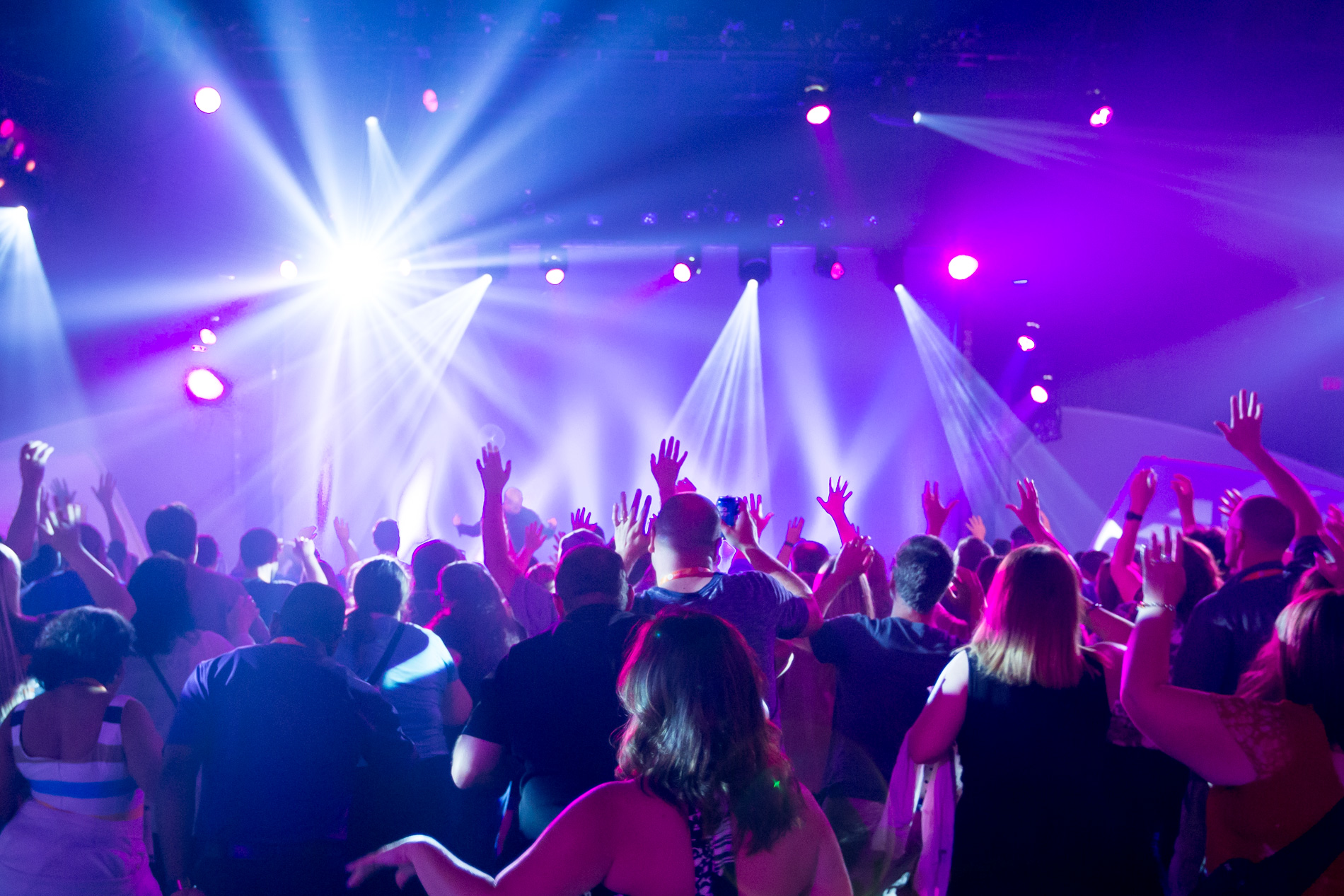
Audiences now expect options. While in-person experiences deliver unmatched energy and networking, not every participant can travel or dedicate the time. Virtual and hybrid formats allow planners to expand participation, accommodate global audiences, and create content that lives far beyond the event itself. The events that succeed in the future will be those that embrace this “both/and” model, giving attendees the freedom to engage on their terms.

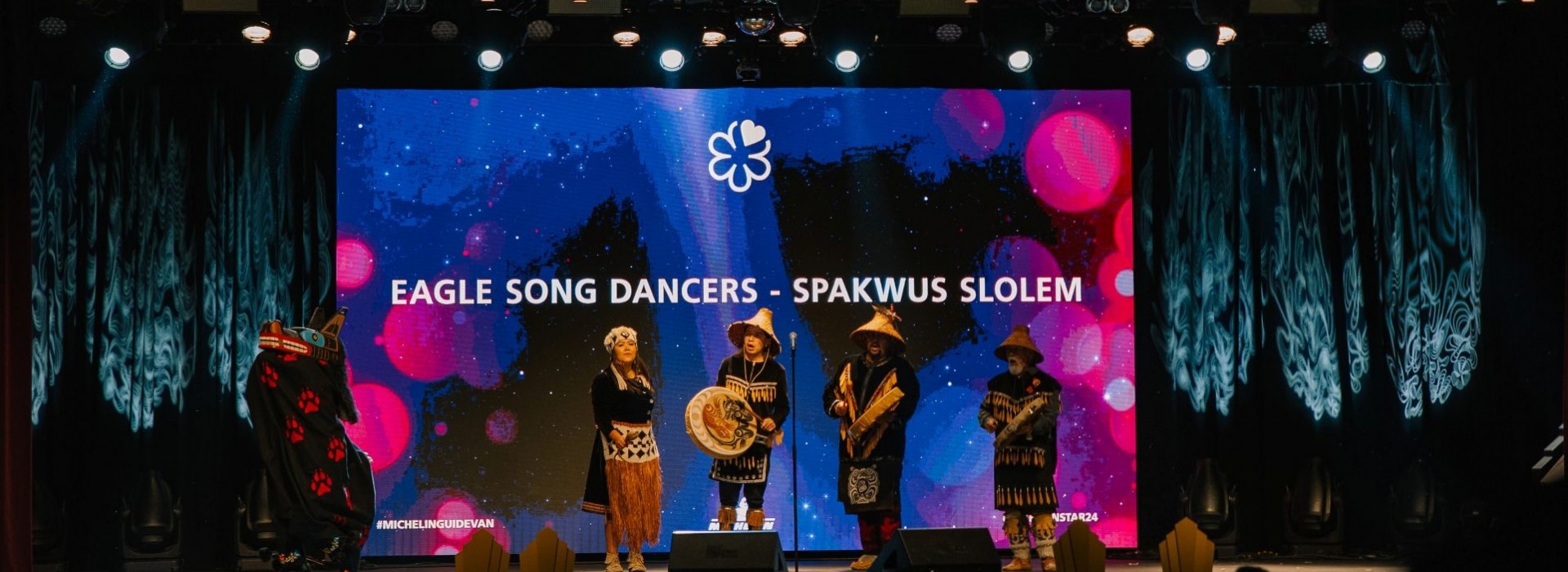
Attendee expectations are higher than ever. The days of glitchy feeds and slide-heavy webinars are gone. And let’s be honest, Zoom fatigue is real. Today’s participants want polished, television-style productions that feel immersive and engaging. This means planners need the right tools, creative approaches, and partners who can help elevate the virtual experience to match the standards of in-person gatherings — to make attendees feel like they are really there.
As with any event, success sums up to how the story is told and the connections made. Hybrid and virtual events present new opportunities: Networking roundtables that engage, breakout rooms that cross borders, Resource Rooms or Libraries that share marketing collateral, live polls and chat that boost interactivity, and on-demand sessions that keep the conversation alive long after the closing remarks. The best planners are weaving together content, technology, and human engagement to craft experiences that feel both personal and scalable.
Hybrid and virtual events won’t replace in-person gatherings — they’ll complement them. In the age of AI, we’re moving toward a world where every major meeting or conference has a digital layer, whether it’s live-streaming a keynote, offering interactive workshops online, or creating a library of on-demand sessions. This integrated approach ensures no audience is left out and no content has an expiry date or becomes only a moment in time..
For planners, the opportunity is clear: virtual and hybrid events are no longer an experiment. They are an essential part of the future of event design. Those who embrace the shift now will be best positioned to deliver richer, more inclusive experiences tomorrow.

A virtual event takes place entirely online. A hybrid event combines a live, in-person audience with remote attendees who join through a digital platform. Virtual works best when your audience is spread out or travel isn’t realistic. Hybrid suits flagship conferences and summits where the energy of the room matters, but you still want to reach people who can’t attend. The added value: inviting attendees to access content post event allowing for further engagement.
Design for remote attendees on purpose. Use broadcast-quality production and build in interaction: live chat, Q&A, polls and networking roundtables. Gamification and leaderboards bring on-site and online audiences into the same activities, and on-demand sessions keep the content working after the event ends.
Compare the total cost of the event, not just the software licence. Platforms charge per attendee, per event or by subscription. Additional costs apply for networking, sponsor booths, branding or analytics. Give each provider the same brief, covering attendee numbers, sessions, production level and support needs, so you can compare quotes fairly. Ensure you have dedicated project management and technical support - a game changer in ensuring a seamless experience.
The best platform depends on how your attendees need to connect. Look for breakout rooms that are easy to move between, roundtables that show who’s seated before you join, matchmaking and one-to-one video meetings. TK Events’ award-winning virtual venues and one page webinar solutions include all of these, custom-branded to your event.
Look for:
Just as important, choose a partner who provides live support throughout the event.